In response to the polio outbreak in Gaza, Israel has agreed to a temporary halt in military operations to allow young children to be vaccinated.
This key decision marks a significant development as Israel commits to a series of pauses in the fighting throughout September. The truce will facilitate a critical vaccination campaign, supported by the United Nations, aimed at curbing the spread of the virus.
Details of the Truce
The truce is set to begin on September 1, divided into three three-day phases. The initial phase will focus on central Gaza, followed by northern territories. Each phase is expected to last around seven hours, during which vaccines will be delivered and administered in designated “paused” areas. Israel has agreed to a ceasefire during these windows, and Hamas has also given the green light for the vaccination efforts to proceed.
Read also: Telegram CEO Has Been Charged By French Authorities in Criminal Investigation Including CSAM
The UN has expressed concerns that the three-day pauses may not be enough to achieve adequate vaccination coverage. However, it has been agreed that if necessary, the campaign can be extended by an additional day per area, or even longer, to ensure all children are vaccinated. The campaign will be conducted in two rounds, with a four-week interval between the first and second doses.
The Polio Situation in Gaza
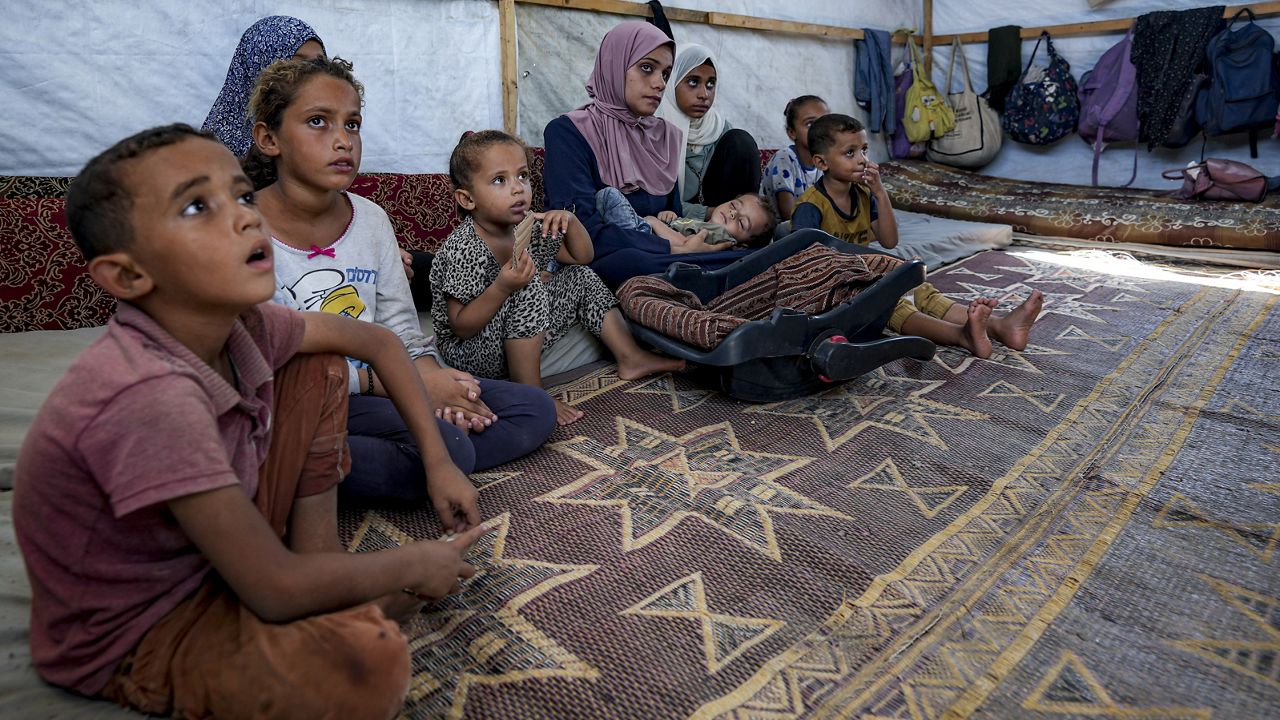
The resurgence of polio in Gaza, a virus eradicated in most developed nations, highlights the dire conditions faced by the two million residents of the region. Since October last year, Gaza has been under heavy bombardment, leaving much of the population without access to food, medical supplies, or clean water. Up to 90% of the population is internally displaced.
The goal of this vaccination campaign is to immunize approximately 600,000 children under the age of ten with two doses each. To support this effort, 1.26 million doses of vaccines and 500 vaccine transporters have already been delivered to Gaza.
Understanding Polio

Polio, or poliomyelitis, is a highly contagious viral disease caused by the poliovirus. It primarily affects children under five but can be contracted by individuals of any age. The virus spreads through contact with contaminated feces or, less commonly, through contaminated water or food. Polio can attack the nervous system, leading to paralysis, which may be irreversible. In severe cases, it can cause muscle paralysis that impairs breathing, posing a life-threatening risk. While there is no cure for polio, it can be effectively prevented through vaccination. Global vaccination efforts have eradicated polio in many parts of the world, but the disease still persists in some regions.
This article was written originally in Spanish by Miguel Fernández in Cultura Colectiva