


If you travel to Mexico and come across a “pulquería,” don’t hesitate—step inside and try pulque. This drink is made from the fermented sap of maguey leaves and has an alcohol content ranging between 4% and 6%.
Sour, viscous and sacred, this drink is unique and it is full of history, so before trying it, here are some fun facts that will make you want to go to your nearest pulquería.
Read also: Where to Eat in Condesa Mexico City: Discover 10 Places to Eat at the Condesa Mexico City
13 Things To Know About Pulque
The Drink of the Gods


Pulque, which comes in a variety of flavors, has been consumed since pre-Hispanic times by the most important lords, the elderly, and retired men and women. Because of its cultural significance, it was known as the “drink of the gods.” It was also exclusive to the upper classes of Aztec society and was often consumed during ceremonies and festivals dedicated to Mayahuel, the goddess of the maguey.
Nicknames


In addition to being called the “drink of the gods,” this drink goes by other names, such as blood of Christ, lung, milk, and baba. In the past, it was known as iztacoctli or “white wine” among Mexicans. Over time, this name evolved into octli poliuhqui, and finally, as we know it today.
Hitler Made a Documentary About It


Interestingly, Adolf Hitler was a fan of this drink and even commissioned a documentary titled Pulquebereitung in Mexiko about its production. As a vegan, Hitler was intrigued by pulque’s properties and sent German filmmaker Huber Schönger to Mexico to document the entire pulque-making process.
Taste and Consistency


This beverage has a viscous, slightly fizzy consistency. Depending on whether it is natural or cured, the taste can range from sour and strong to sweet and fermented.
Nutritional Value
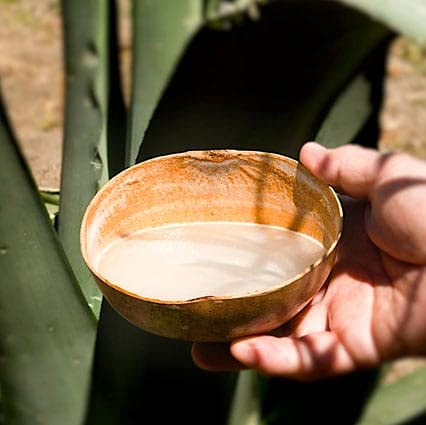

It is highly nutritious, known to reduce hunger and provide essential nutrients. Some scientific studies have even considered it a food supplement due to its amino nitrogen content, comparing it to meat. Pulque contains protein, vitamin C, and B2, and it can help replace amino acids like tyrosine and tryptophan.
Urban Myths


During the 20th century, it was the most popular drink in central Mexico, posing a threat to the beer industry. To discredit pulque, the “myth of the doll” was spread, claiming that cow or even human excrement wrapped in a “blanket of heaven” was used to aid fermentation. Rest assured, pulque is made with the finest ingredients, and you can enjoy your next sip with peace of mind.
The Drink That Heals Everything


It is also used as a complementary treatment for various medical conditions. It’s known to help people with eating disorders who suffer from a lack of appetite. Its high content of lactobacilli aids in treating gastritis and esophagitis by repairing the intestinal flora and mucosa. It’s also used for kidney conditions.
Mexican Magueyes


In Mexico, there are 70 types of magueys from which different species of mead are extracted to make the beverage. The magueys must be at least seven years old to be suitable for its production. Due to the preservation of its ancestral process, pulque cannot be produced industrially.
Pulque for Breastfeeding


Many Mazahua women consume this drink to increase milk secretion for breastfeeding. Midwives also used it as a medicinal concoction. In the Mezquital Valley in Hidalgo, women use the drink to wean their babies by wetting their pinky with the drink and letting the baby suck on it.
Fake Pulque


As with all good things, it has its imitators. To ensure your pulque is authentic, look for a white and translucent color (except if you are enjoying a curado.) If it appears very white and lumpy, it likely contains flour, indicating it’s a fake. When taking the first sip, the taste should be light, with the alcohol almost imperceptible. The more viscous it is, the higher the likelihood that it has been adulterated with nopalillo (a type of plant often used for tampering) You can find a list of traditional pulquerias in CDMX here.
Origins


The most famous pulque-producing state is Hidalgo, specifically the Apan area. Pulque haciendas in Hidalgo thrived during the Porfiriato era, with the railroad helping to boost consumption in other parts of the country. Today, the main producers are the State of Mexico, Puebla, Hidalgo, and Tlaxcala.
Curado and Natural

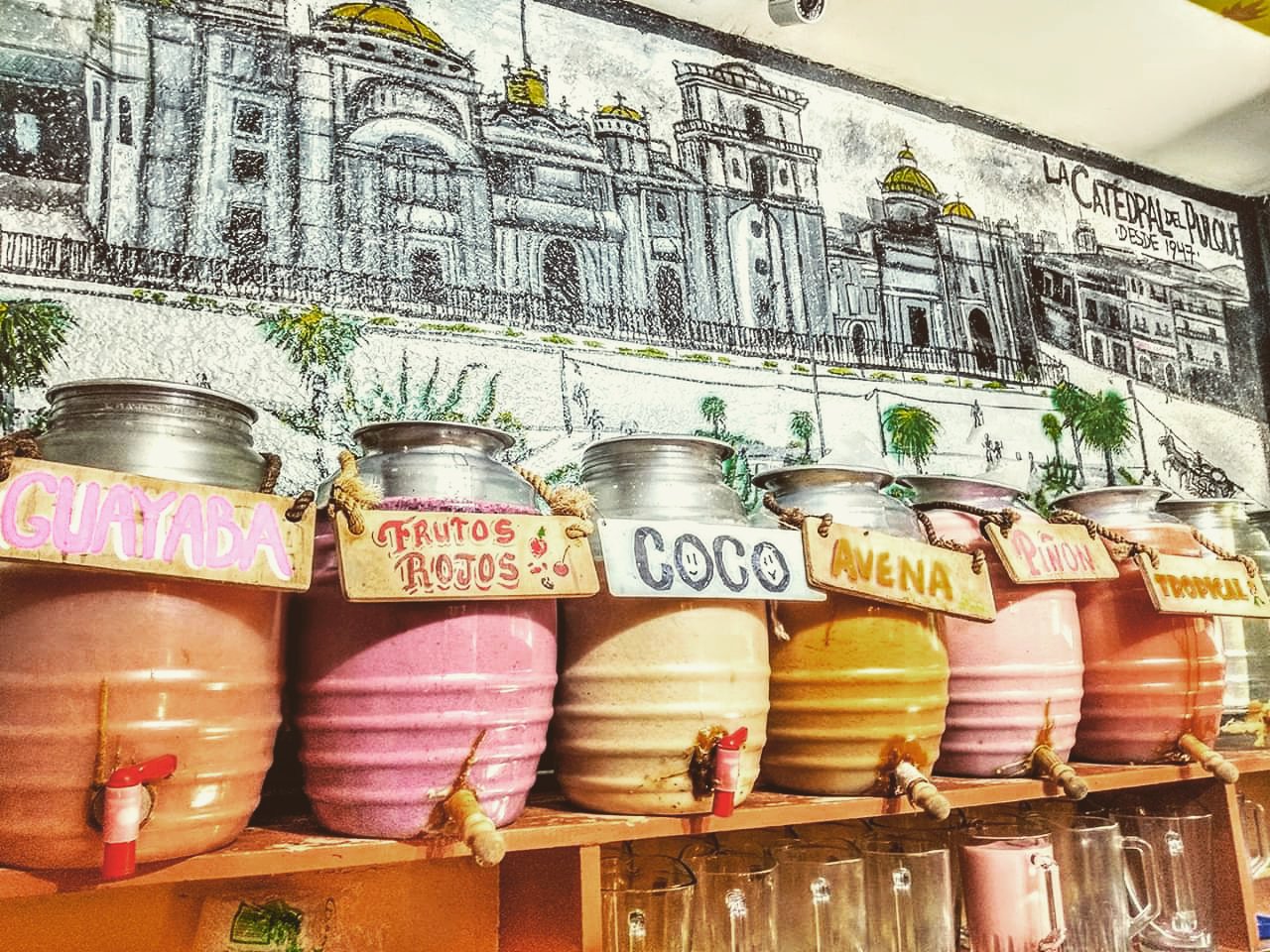
When you visit a pulquería, you may notice two options: natural pulque and “curado.” The curado variety arose, like many things, by accident. Pulque has a short shelf life—once extracted from the tinacal, it lasts only three to five days before its flavor changes. To salvage spoiling it, pulquerías would add sweeteners and seasonal fruits to mask the taste. Although modern production methods have improved, curados still have the advantage of hiding the fermented flavor.
Anti-Cancer Properties


According to a study on probiotics derived from Mexican fermented beverages, scientists from the National Polytechnic Institute (IPN) and the National Institute of Research for Agriculture, Food, and Environment (INRAE) in France discovered that this ancestral drink contains the lactic acid bacterium Lactobacillus brevis, which can inhibit the proliferation of colon cancer cells by up to 40%.
Pulque may not be everyone’s cup of tea, but it might just be yours. Don’t be afraid to try this delicious and mystical drink, and remember all the benefits and history it carries. You probably won’t find it anywhere else in the world, so go ahead and taste it!